


Celebrate Like a Local: Your Guide to Chinese New Year
As the Year of the Horse approaches, many of our international colleagues may be curious about how to join in the festivities and experience this most important Chinese holiday. Whether you’re spending the festival in China for the first time or looking to get more involved in the celebrations, here are some simple and accessible ways to celebrate Chinese New Year.
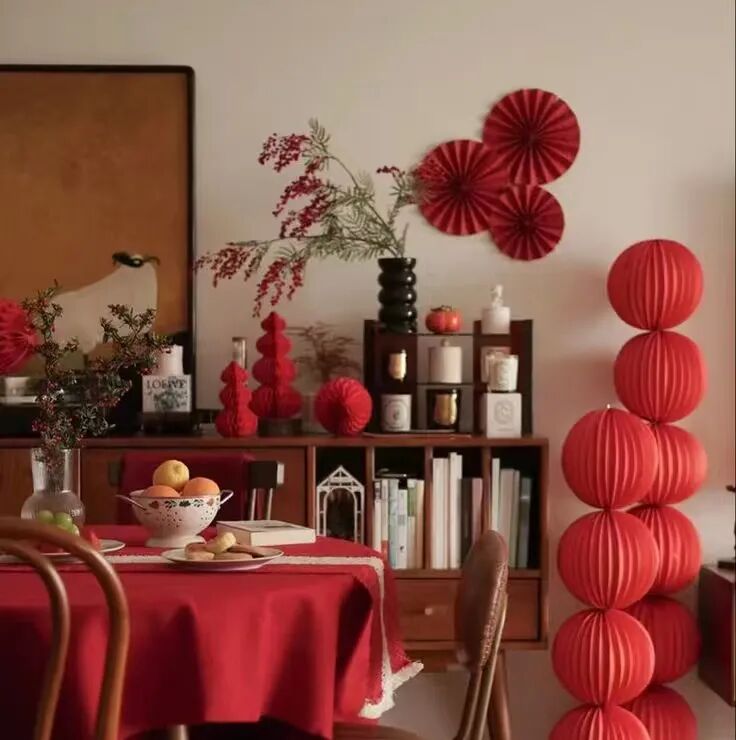
Decorating Your Space
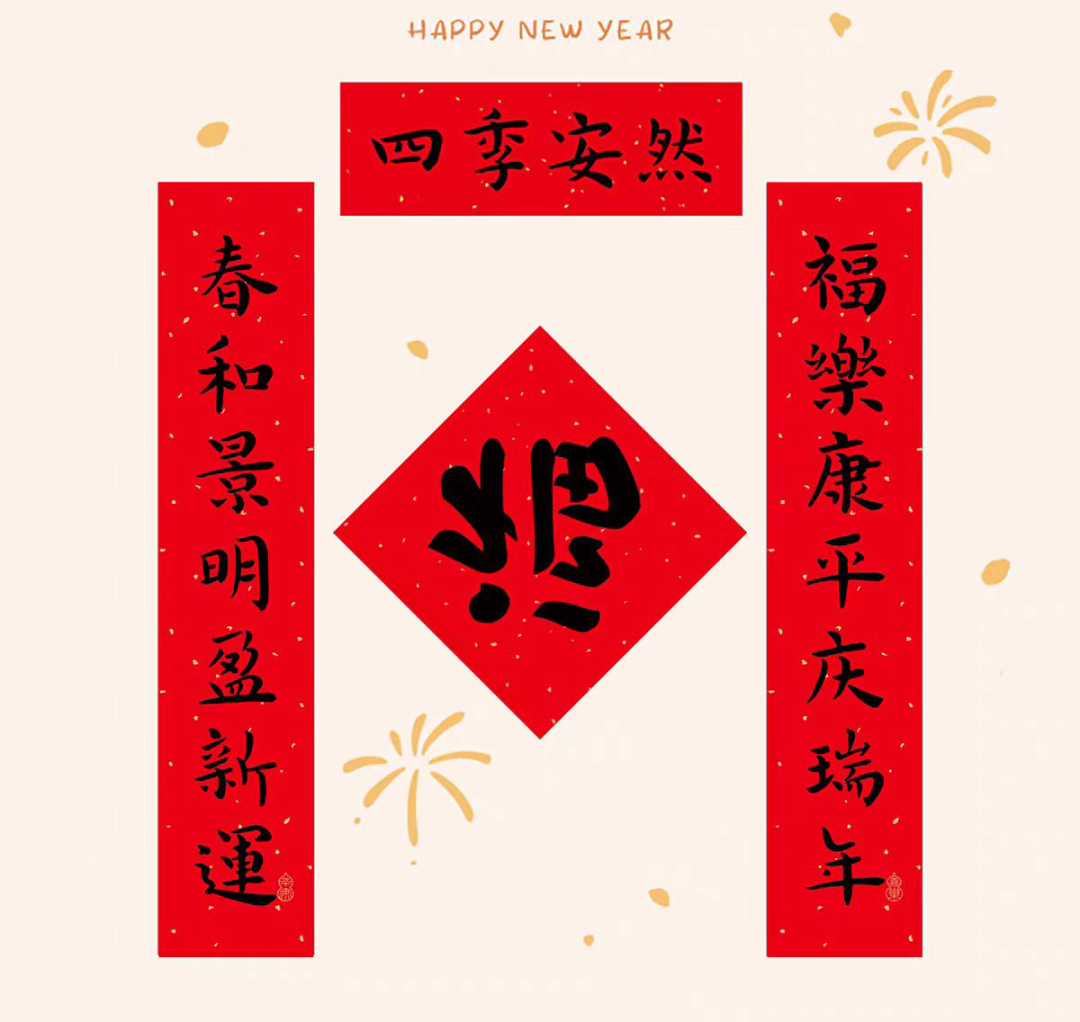
Transform your home or apartment with traditional decorations that are both affordable and meaningful. Start with spring couplets (chunlian) and the character “福” (fu, meaning fortune)—these red banners are the most iconic symbols of the festival. You’ll find them at supermarkets or online for just 10-20 RMB per set. Here’s a fun tradition: the fu character is often hung upside down because “upside down” (倒, dào) sounds like “arrive” (到, dào) in Chinese, so it means “fortune has arrived!”
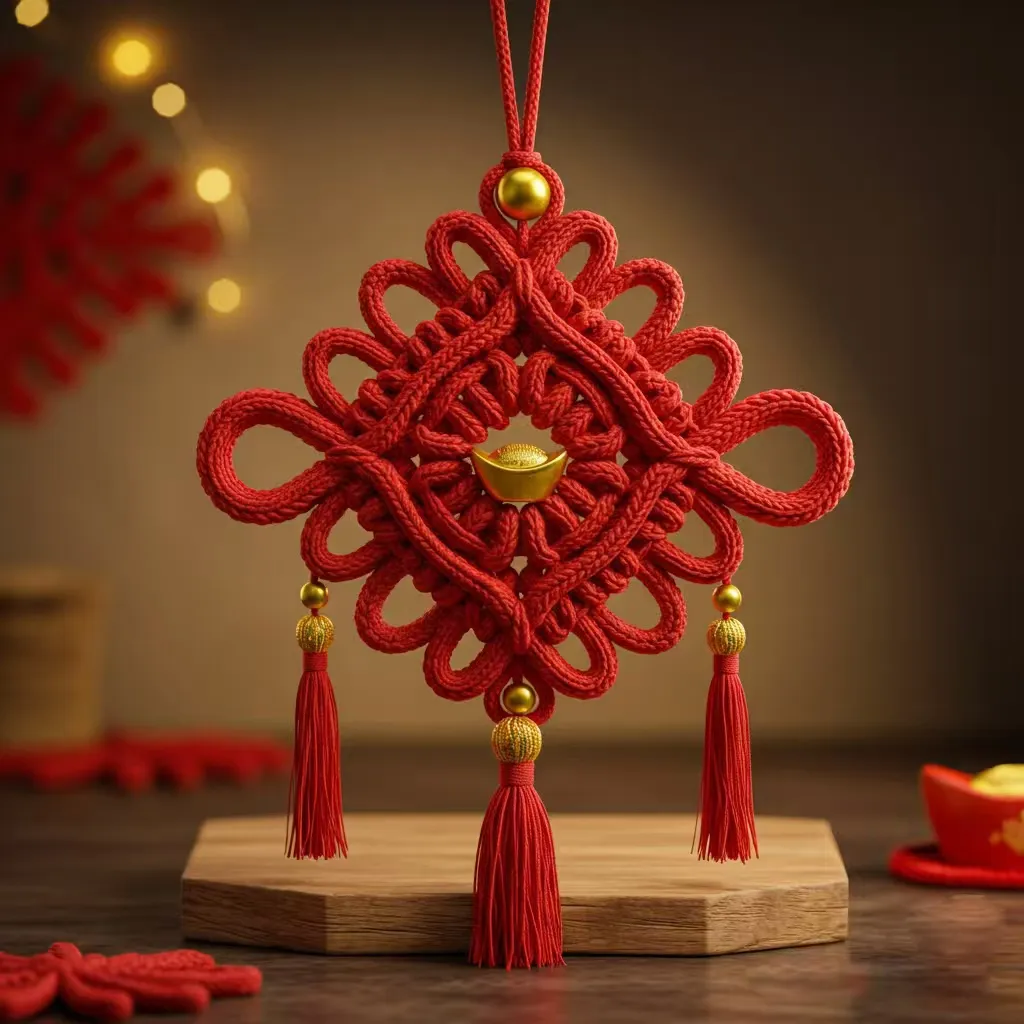
Add a Chinese knot to your doorway or living room for another traditional touch. These intricate decorations symbolize good luck and unity.
A little red goes a long way. Simply toss some red throw pillows on your sofa, drape a red tablecloth over your dining table, or wear red clothing, hats, or scarves to instantly create a festive atmosphere. Red represents celebration and good fortune in Chinese culture.
Festival Foods to Try
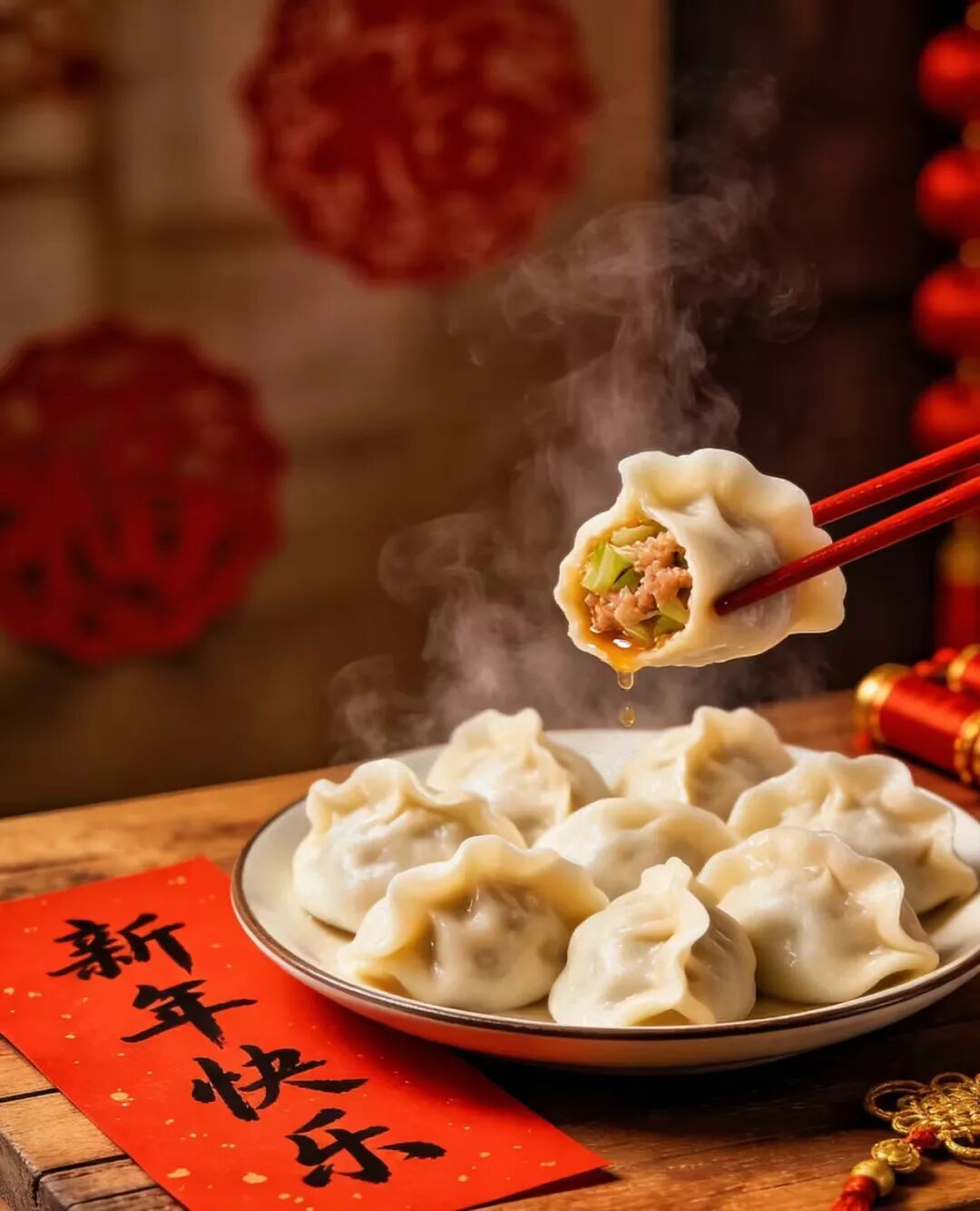
No Chinese celebration is complete without food, and even kitchen novices can join in. Dumplings (jiaozi) are a must during Spring Festival, symbolizing wealth and prosperity. You can grab pre-made wrappers and filling at the supermarket and give wrapping a try—it’s easier than you think! If you’d rather keep things simple, frozen dumplings work great too. Dumplings are especially popular in northern China.
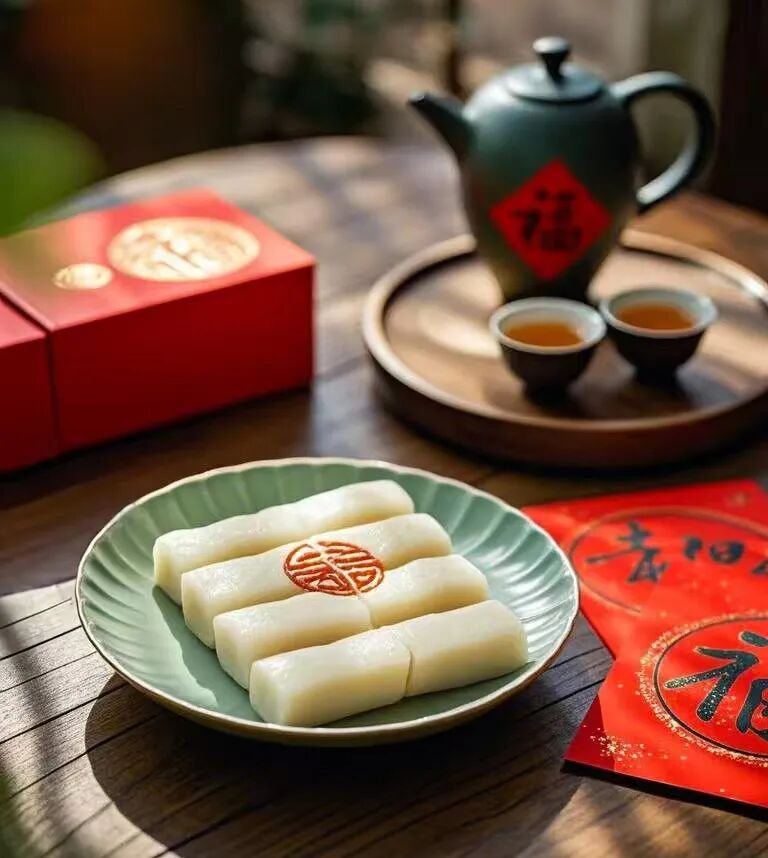
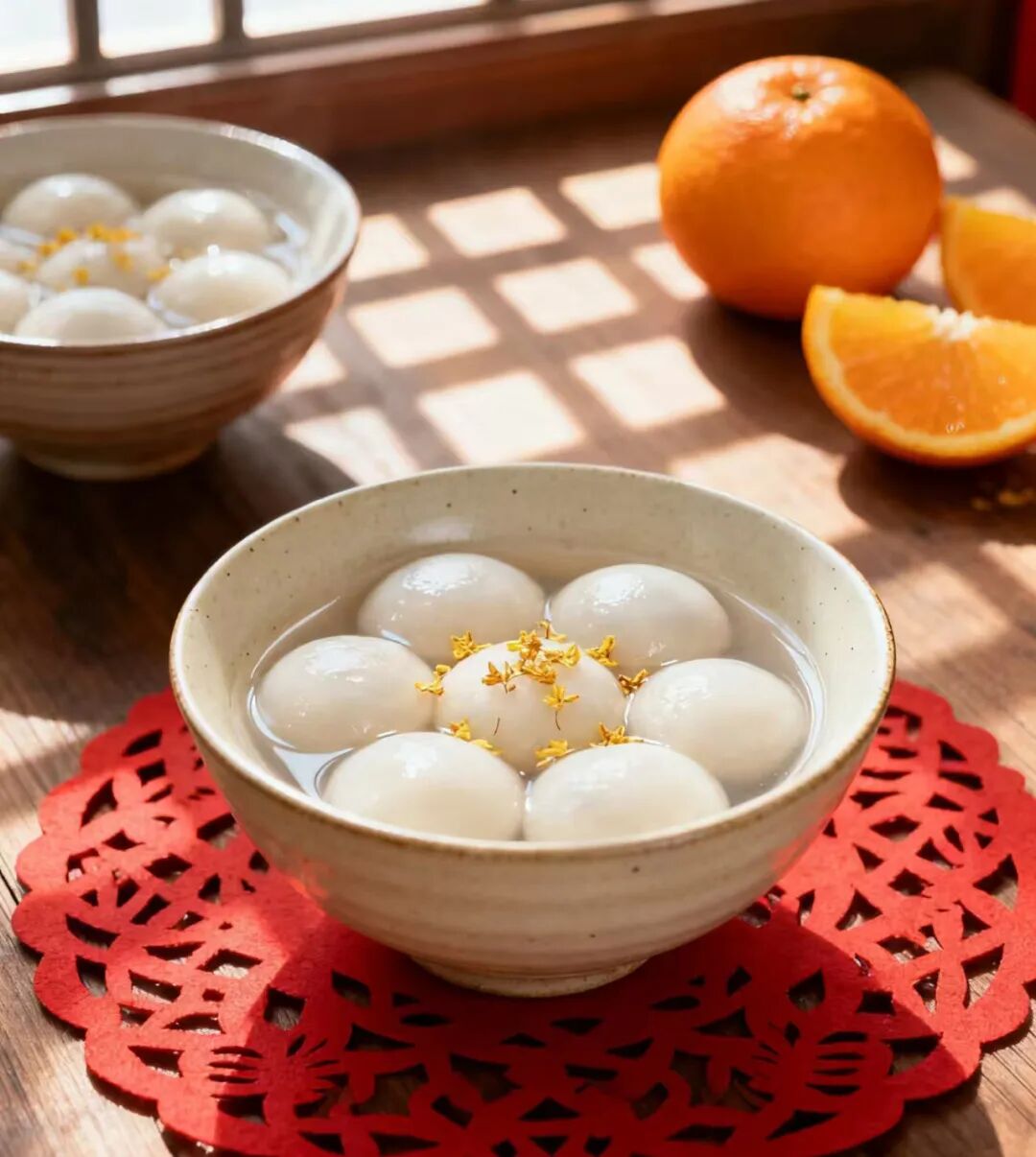
Rice cakes (niangao) represent rising higher each year. These are easy to find at supermarkets and are particularly beloved in southern China. If you’re in Ningbo, you might also come across sweet rice balls (tangyuan), another regional favorite.
Experiencing the Festival
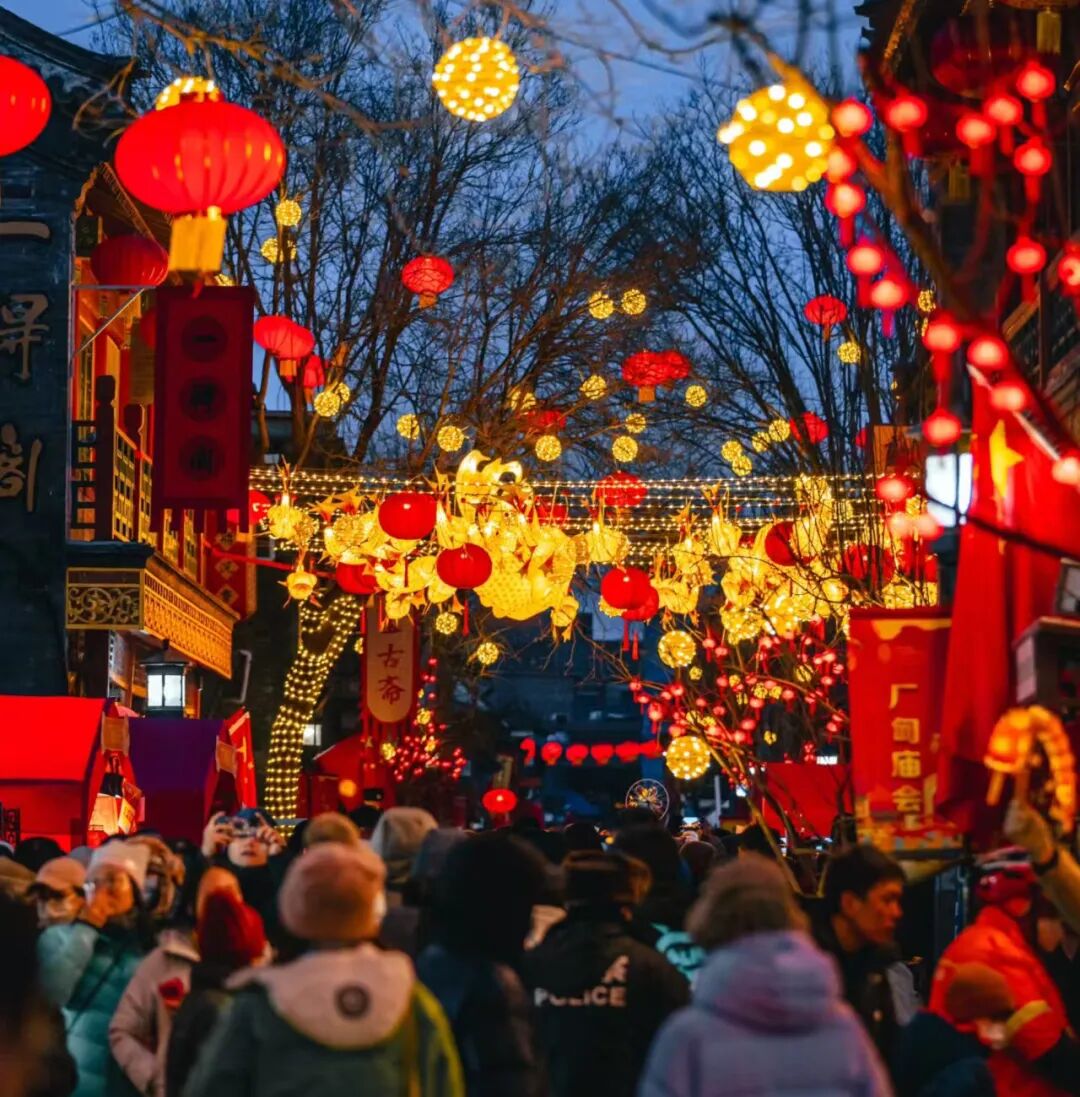
Many major cities host temple fairs and Spring Festival events in their downtown areas. These feature traditional performances, street food vendors, and handicraft stalls—a fantastic opportunity to immerse yourself in Chinese culture and maybe pick up some unique souvenirs.
Learning Key Phrases
Learning a few phrases will earn you big smiles! Master these basic greetings:
● “春节快乐”(chūn jié kuài lè)—Happy Chinese New Yeasr
● “恭喜发财”(Gōng xǐ fā cái)—Wishing you prosperity
Your Chinese friends and colleagues will be thrilled when you use these phrases!
Planning Your Holiday
On Chinese New Year’s Eve (16th. Feb 2026), join the tradition of putting up decorations and gathering for a reunion dinner (年夜饭, nianyefan) with friends or colleagues. Many people stay up late in a custom called “守岁” (shousui), keeping watch over the old year.
From the first to the seventh day of the new year(17th. Feb — 23rd. Feb), enjoy get-togethers with friends, visit temple fairs, and soak up the festive atmosphere that fills the streets.
Quick Shopping List
• Spring couplets and fu character decorations
• Chinese knot
• Red clothing or accessories (clothes, hats, scarves, gloves)
• Dumplings (fresh or frozen)
• Rice cakes
• Sweet rice balls
Chinese New Year is all about renewal, family, and hope for the year ahead. Whether you dive into all these traditions or just try a few, participating in even small ways will enrich your experience living in China and help you build genuine connections with the culture and people around you.
Happy Year of the Horse! 马年大吉!

GET STARTED
LEARN MORE
CONTACT US
101 Federal Street, Suite 1900,
Boston, MA 02110
1-312-593-4672
info@kleducation.org
RECEIVE OUR NEWSLETTER